Land That Functions for Actual Operations
Farm, Ranch & Rural Living Architecture in Cuero for buyers evaluating soil capabilities and water access before purchasing acreage
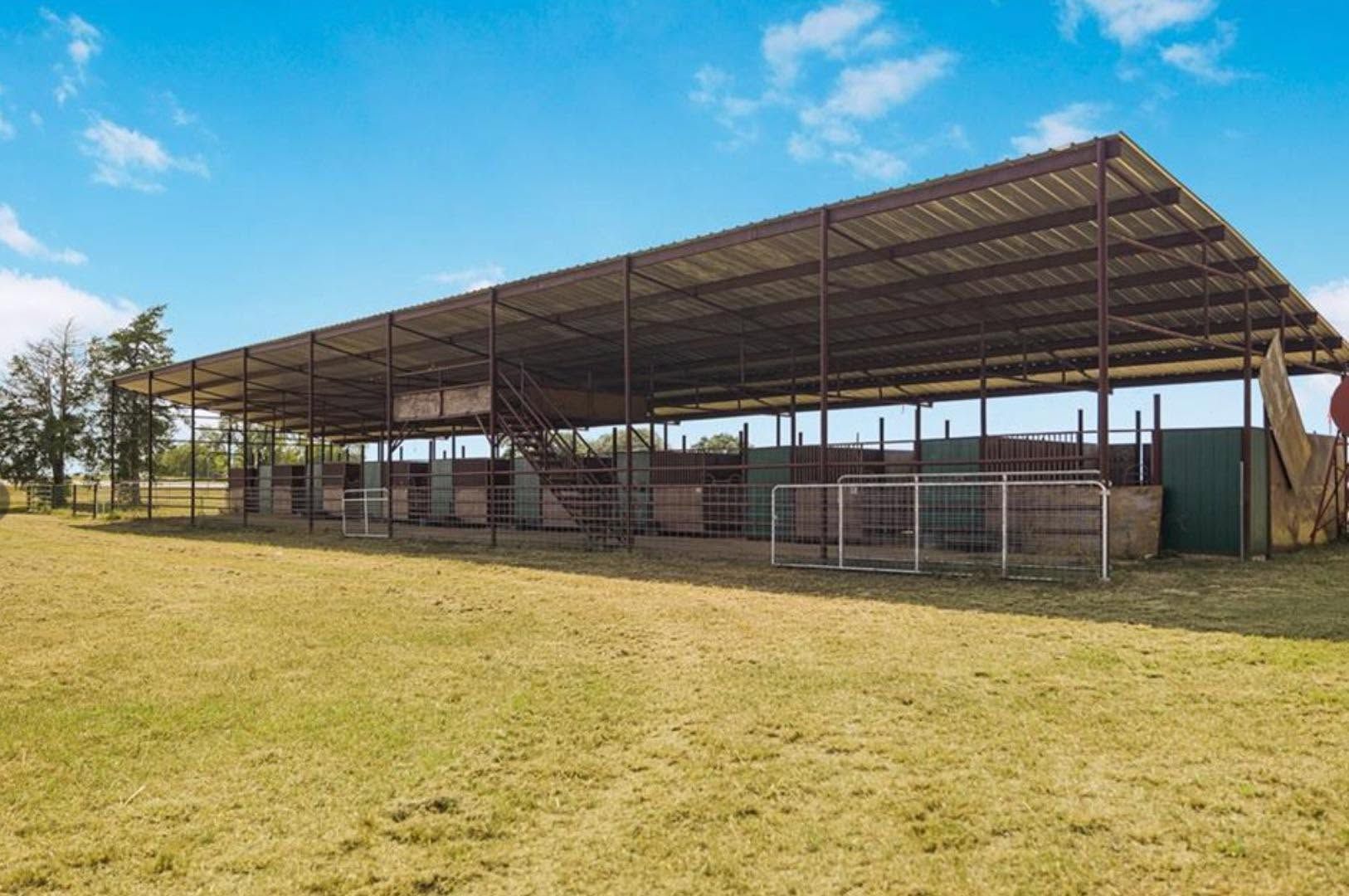
Operational agricultural properties require assessment of grazing capacity, perimeter fencing condition, water sources, and infrastructure that supports livestock or crop production year-round. Buyers often underestimate how soil type affects pasture productivity or how existing wells and stock tanks perform during drought periods common to the Coastal Bend region. Rampley Real Estate Team evaluates agricultural improvements including barns, arenas, livestock facilities, and equipment storage to determine whether existing structures meet operational needs or require costly upgrades after closing.
Rural property sales involve reviewing mineral rights, agricultural tax exemptions, and land use restrictions that affect long-term property value and operational flexibility. Horse properties and recreational land purchases require different considerations than working ranches, particularly regarding arena footing, turnout space, and facility maintenance demands that affect annual operating costs.
Schedule a consultation to discuss rural property features and operational requirements before evaluating specific listings.
Contact Us
Contact Us
We will get back to you as soon as possible.
Please try again later.

Why Rural Properties Demand Different Evaluation
Rural property evaluation includes verifying stocking rates based on soil surveys, analyzing historical rainfall patterns that affect forage production, and inspecting perimeter fencing for damage or gaps that compromise livestock containment. Buyers purchasing operational ranches need documentation showing current agricultural exemptions remain valid after ownership transfer, which requires maintaining minimum acreage thresholds and demonstrating active agricultural use through livestock grazing or hay production records.
After purchasing rural property, you gain functional acreage suited to your intended use, whether that involves managing cattle operations, maintaining horse facilities, or holding recreational land for hunting and long-term appreciation. Infrastructure assessments reveal whether existing wells provide adequate water pressure and volume, whether electrical service reaches all buildings, and whether septic systems comply with county regulations for occupied structures.
Mineral rights considerations affect property value and future development options, particularly in regions where oil and gas leases create surface use conflicts with agricultural operations. Buyers receive guidance on negotiating mineral interest clauses, understanding royalty payments, and protecting surface rights from disruption caused by drilling or pipeline installations that may occur years after purchase.
Rural buyers frequently need clarification on factors that differ significantly from residential property transactions.
What Property Owners Usually Ask
How do I verify soil capabilities and grazing potential?
Soil surveys published by the Natural Resources Conservation Service classify land into capability classes that indicate suitability for cultivation, grazing, or wildlife habitat, with ratings that directly affect stocking rates and pasture productivity across different soil types found throughout the Coastal Bend.
What infrastructure issues should I inspect before purchasing?
Well capacity, pump condition, water line routing, perimeter fence integrity, cattle guard functionality, barn roof condition, and electrical service to outbuildings all require inspection because rural properties often lack municipal services and repairs can cost tens of thousands of dollars after closing.
How do agricultural tax exemptions work and will they transfer?
Texas agricultural exemptions require meeting minimum acreage and use thresholds defined by county appraisal districts, with documentation showing active agricultural use through livestock grazing, hay production, or wildlife management, and exemptions transfer to new owners who maintain qualifying use after purchase.
What happens if mineral rights are severed from surface rights?
Severed mineral rights allow third parties to lease or extract subsurface resources, potentially granting access for drilling operations, pipeline installations, or seismic surveys that affect surface use, making it essential to review mineral ownership records before finalizing rural property purchases in Cuero.
Why do rural closings take longer than residential transactions?
Title searches for rural properties involve verifying mineral rights, easements, water rights, boundary surveys, and historical ownership chains that can reveal unresolved estate issues or access disputes requiring legal resolution before title companies issue policies and lenders approve financing.
Rampley Real Estate Team brings experience evaluating farms, ranches, horse properties, and recreational acreage across the Coastal Bend region, with understanding of operational functionality and long-term value considerations. Contact us to arrange a property review focused on your rural real estate objectives.